Heraldry, as a historical discipline, governs what is placed on a family or state coat of arms and how. The roots of this science go back to the Middle Ages, when it was necessary to identify a person without seeing his face, hidden as it was behind a helmet. In Russia heraldry appeared in the second half of the 17th century; it was Peter the Great who brought it into fashion.
The International Genealogical Center offers custom coat of arms design. Our experienced specialists will study the history of your family in detail and propose a family emblem that can become a treasured heirloom and a memory for your descendants.
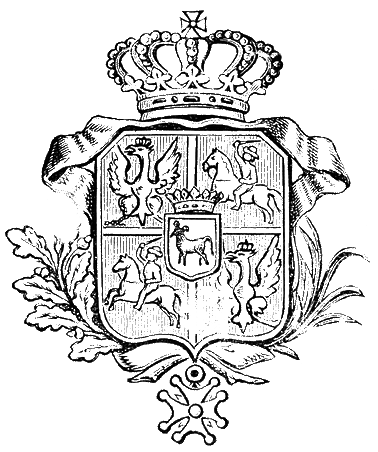

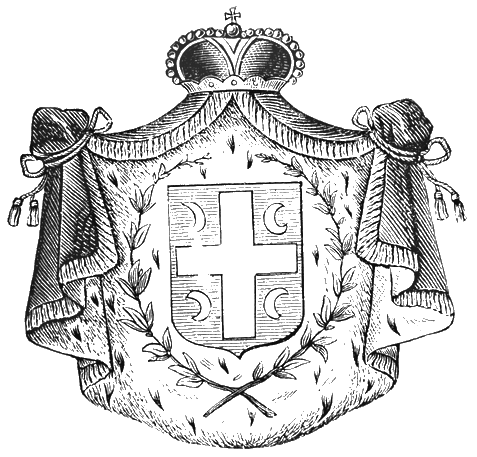
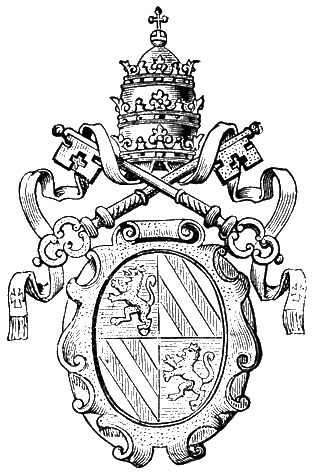
Heraldic colours are divided into furs, metals and tinctures (enamels). As a rule seven colours are used: five enamels and two metals. Originally a family coat of arms had only four colours — white, red, black and blue. Yellow, green and purple were added later. Furs form a special category in heraldry: vair and ermine.
It is sometimes assumed that the images on coats of arms were chosen arbitrarily, without any hidden meaning. Yet in the medieval era, imbued with the spirit of mysticism, when people sought sacred meaning and divine revelation even in ordinary things, heraldic elements came to carry great significance.
Because there are no rigid rules for placing symbols, a unique heraldic composition carrying its own particular meaning can be created to order.


Designing a family coat of arms is painstaking work. Our specialists must take a great many subtleties into account and choose the right combinations of colour:
A symbolic reading of the colours is appropriate when it is known in advance what the author of the arms intended by them. Otherwise there is a risk of reading hidden meaning where none exists. In most cases colours are chosen for aesthetic rather than symbolic reasons.
By turning to the heraldists of the IGC you can do more than commission a family coat of arms — you receive a message in symbols, addressed to future generations and to society.